

There’s been a sense of unease in the energy sector for some time now. Connection freezes, overloaded grids, reports from Utrecht where you can no longer get a new connection — the news is piling up, and so is the confusion among the public. And then you hear things like: “You can’t get a heat pump with a 1-phase power connection.” Or: “Electric driving? Forget it.”
But is that actually true? Well, not really.
What everyone has at home — and what that means
Most homes in the Netherlands have a standard 25-amp 1-phase connection. This 1-phase connection has been the norm for years, and the vast majority of households get by just fine with it. Even if you’re making your home more sustainable.
After all, in most cases, a heat pump simply runs on a 1-phase connection. The same goes for an electric vehicle charging point. And solar panels? No problem at all. The idea that you need a heavy-duty three-phase connection for a sustainable home is simply not true in most situations.
What does play a role, however, is something else: peak load.
It’s not about how much — it’s about when
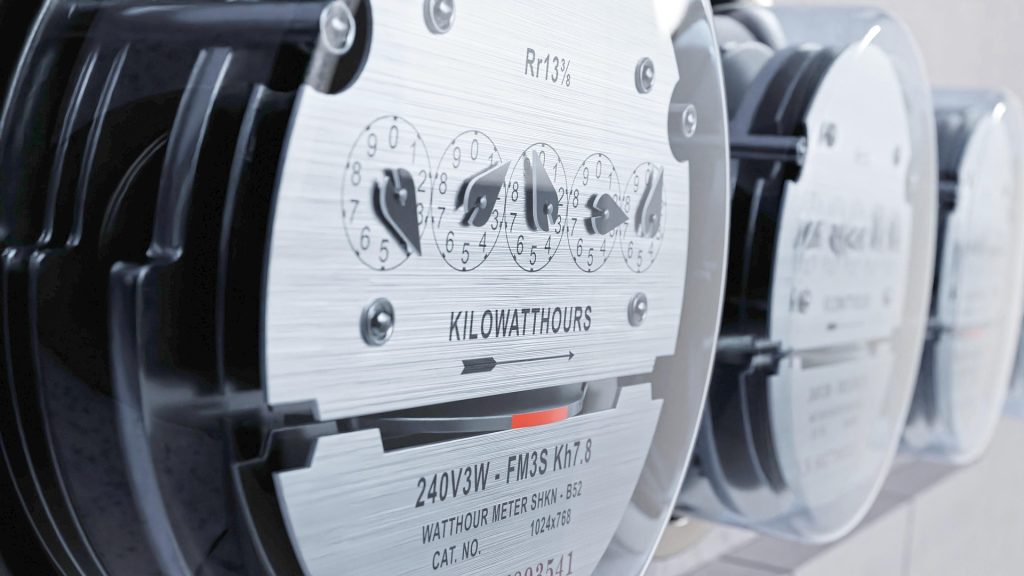
The problem isn’t that you’re using too much energy. The problem arises when everything demands power at the same time. The car’s on the charger, the heat pump kicks in, the oven’s on, the washing machine’s running — and all at the same time, just as your neighbour is doing the same thing.
That’s exactly where things go wrong sometimes.
But it doesn’t have to be that way. You can easily charge your car overnight. You can set your heat pump to start heating your home before the busy evening hours, so that it doesn’t have to work as hard during peak times. Appliances that aren’t in a hurry can simply be scheduled to run outside peak hours.
Using your energy wisely — that’s the real key. Not an expensive connection upgrade.
Generating your own energy makes all the difference
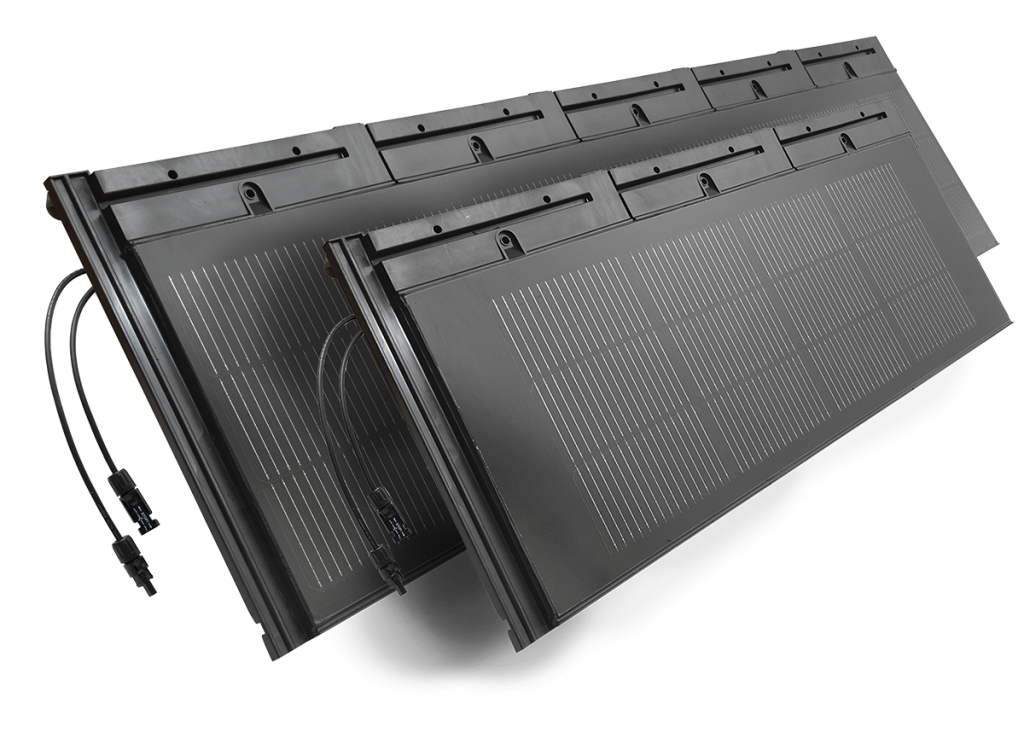
If you have solar panels, you have an added bonus: your own electricity. And the biggest benefit isn’t feeding surplus power back into the grid, but using the electricity generated on your roof straight away.
Heat your hot water tank using solar energy during the day. Run the heat pump when the sun is shining. Charge a home battery during the day and use it in the evening. This way, you reduce your peak consumption and make the most of the energy you generate yourself — without putting a strain on the grid.
So making things more sustainable is definitely possible — but do it the smart way
The message is not that there is no problem. The electricity grid is indeed under strain, and that calls for smarter choices. But those choices are perfectly feasible — even with a standard 25-amp 1-phase connection.
First, take a look at your own situation. What do you use? When? When do you see the highest usage? Choose systems that suit your home — not because someone tells you to, but because they work for you.
It is still possible to become more sustainable. We just need to go about it in a smarter way than we are used to.
Follow Solinso on social media
Don’t miss out on any fun facts, news updates or exciting projects. Follow Solinso on your favourite social media platforms and stay up to date with how we’re making roofs more sustainable with our solar panels. Together, we’re making sustainable energy both visible and stylish.