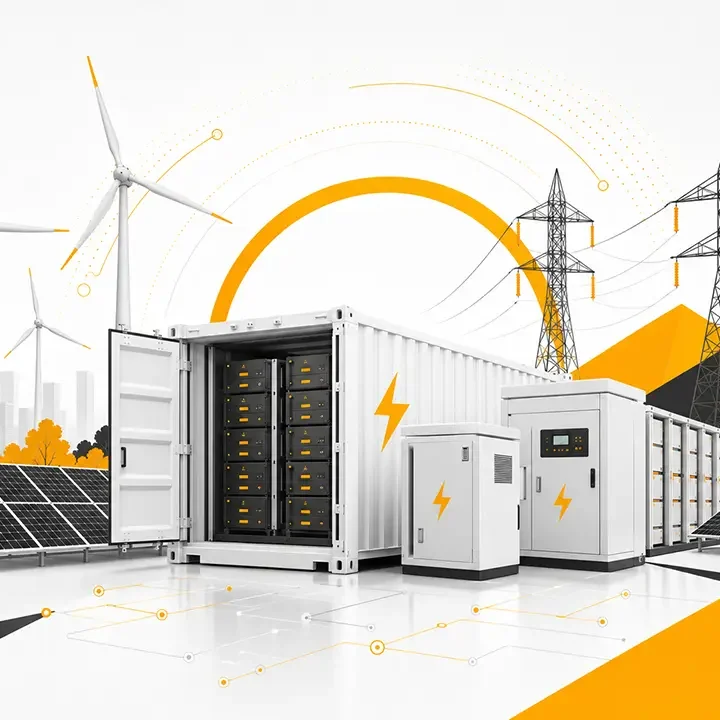


You see them popping up everywhere: solar panels, heat pumps, home batteries. These are positive developments. But at the same time, we’re actually seeing energy consumption rise — as if we’ve all caught ‘energy fever’. More appliances, more comfort, more consumption. We can do better. A truly sustainable mindset doesn’t start with the plug, but with the house itself.
Start with building the house itself sustainably
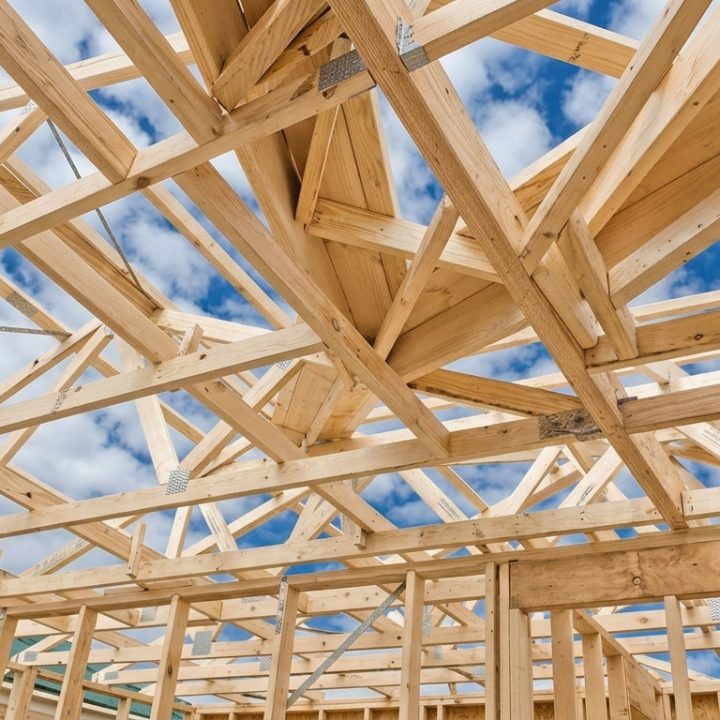
This is what it’s all about, and where most people get it wrong. Before you even think about technology, the house itself has to be right. This principle is known as bioclimatic building (or passive building): designing a house so that it requires very little energy on its own, simply thanks to its shape, materials and orientation. It’s not a gimmick, but the foundation of a truly sustainable mindset.
Orientation towards the sun
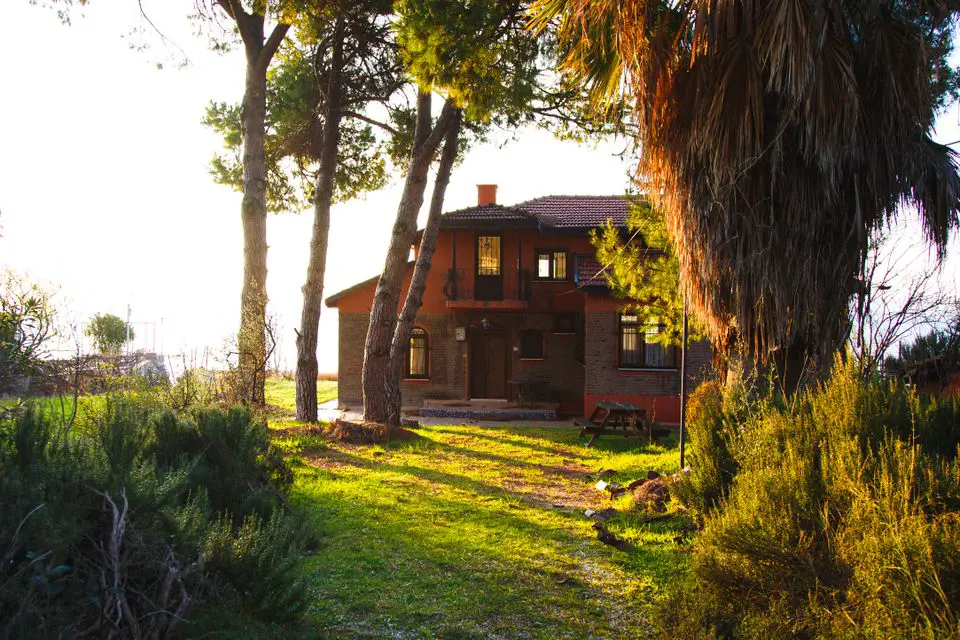
A bioclimatic house isn’t just built on a plot — it’s positioned there deliberately. Large south-facing windows capture the low winter sun and heat the house for free. That same sun is higher in the sky in summer, so with a well-designed overhang or awning, that same façade stays cool. On the north side, you keep the windows small, because you’ll never gain heat there; you’ll only lose it.
Insulation and airtightness
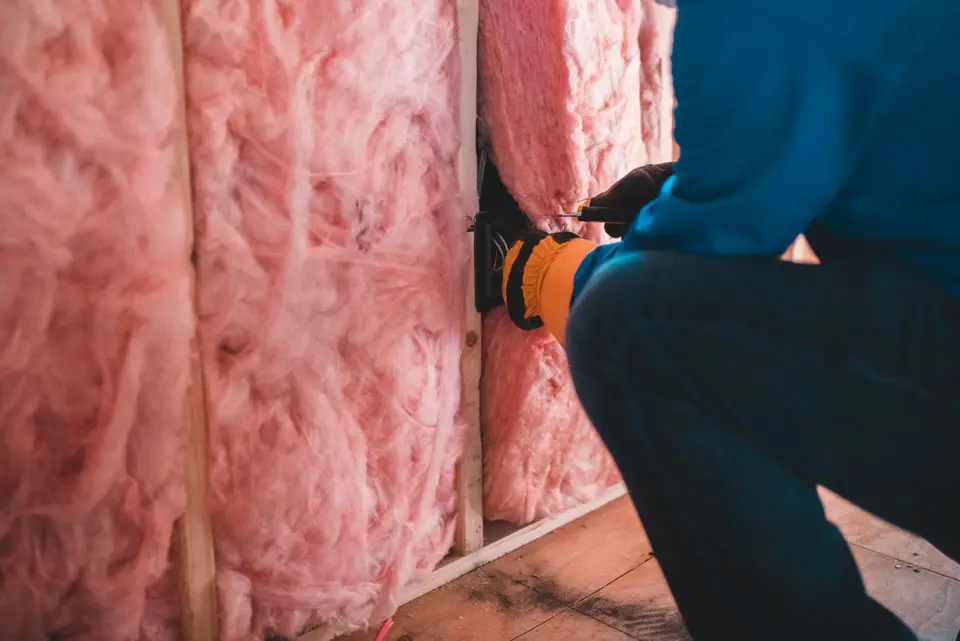
A thick, well-installed insulation layer is essential: the roof, the façade, the floor, and just as importantly — the junctions between them. Thermal bridges are the weak links through which most heat still escapes. Air-tightness prevents warm air from leaking out uncontrollably and cold air from draughting in. The result: a house that requires hardly any additional heating.
Thermal mass
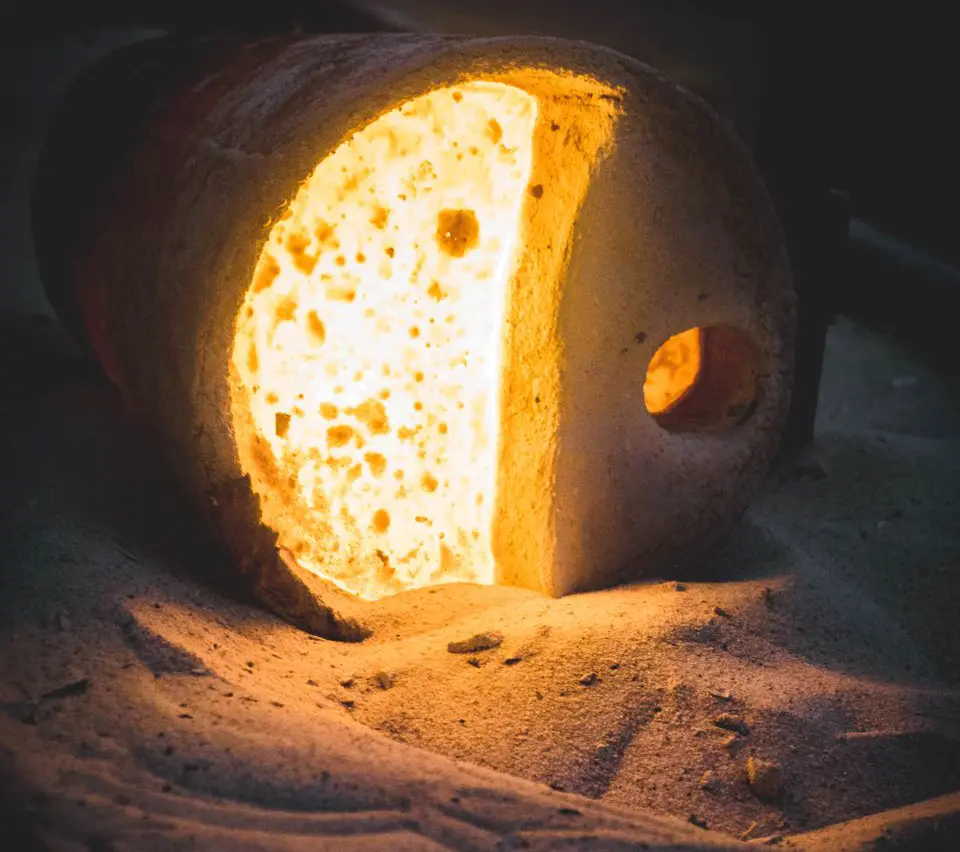
Materials such as concrete, brick or clay have a property that you can put to good use: they store heat during the day and release it slowly in the evening. In summer, the opposite is true — a solid, well-insulated house stays cool during the day because its mass keeps the heat out. That is precisely why old stone farmhouses often feel pleasantly cool in summer, whilst a light, poorly insulated house heats up quickly.
Ventilation with heat recovery
Fresh air is essential, but you don’t want all the heat you’ve generated to escape with it. A balanced ventilation system with heat recovery extracts up to 90 per cent of the heat from the exhaust air and transfers it to the incoming air. This ensures good air quality without wasting energy.
All these elements combined ensure that a house places few demands on its infrastructure — not because you have to be frugal, but because the building itself has been cleverly designed. That is the foundation of a sustainable mindset. Everything that comes after that is an addition — not a solution to a poorly designed house.
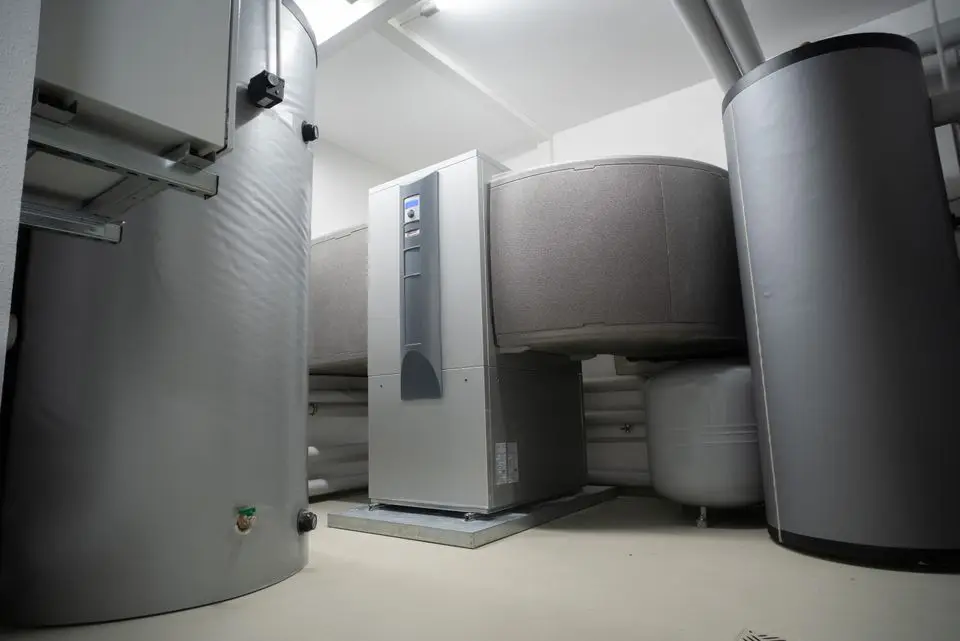
Technology as complementary
Why it works so well here
Only when the foundations are right do solar panels, heat pumps and batteries really make sense. And the point is: they work fundamentally better in a bioclimatic house than in a poorly insulated one. That’s not a matter of taste, but of simple physics.
Take the heat pump, for example. It is most efficient when it has little work to do — that is, when the heating demand is low and there is a small temperature difference between indoors and outdoors. In a well-insulated, bioclimatic house, the heat pump hardly needs to make any adjustments, meaning it runs at its most economical and can be smaller in size. If you install that same heat pump in a draughty, poorly insulated house, it has to run continuously at full power to keep up with the heat losses — which is expensive, less efficient and causes it to wear out more quickly.
Solar panels work on the same principle. A house that uses little energy is much more likely to become (almost) energy-neutral with just a modest number of panels. You don’t need to cover the whole roof to break even — the house’s low energy demand does most of the work for you.
And what about the battery? That’s where it really comes into its own when your energy consumption is predictable and low. A small battery can then power you through a large part of the evening, simply because there isn’t much energy to store. In a home with high and erratic energy consumption, the battery needs to be much larger — and therefore more expensive — to achieve the same effect.
In short: bioclimatic design and electrical engineering complement one another. The technology does not simply compensate for waste, but builds on a house that is already smart. That is the difference between a band-aid and a logical, efficient final step.

Start by looking at your own behaviour too
Even the best home won’t help if behaviour doesn’t change as well:
- Take your bike instead of the car for short trips.
- It's perfectly possible to cope with 25 degrees indoors. Using air conditioning to cool down a spike of 30+ degrees makes sense—we don't want the temperature to stay exactly the same all year round.
- For healthy people, an electric bike is often unnecessary. Getting some exercise is healthier than taking the easy way out.
- Don't buy into trends; buy things that will last. Redecorating your home every two years consumes raw materials, energy, and contributes to pollution.
- Something broken? Fix it instead of replacing it right away.
To the heart of the matter
A sustainable mindset doesn’t start with the installation of smart devices. It starts with a home that, by its very nature, requires little, technology that builds on that, and behaviour that doesn’t encourage waste. Comfort is fine — but consuming energy aimlessly just because you can is not a sustainable mindset. It is exactly the opposite.