

The solar panels on your roof generate energy using solar cells. You can read all about how these solar cells work in the article Semiconductor Basics 101, but what are these little powerhouses actually made of? You wouldn’t think so, but this little marvel is made of silicon – in other words, sand.
It starts on the beach (almost)
The main material in a solar panel is silicon — the same stuff that makes up quartz, glass and ordinary beach sand. It is the second most abundant element in the Earth’s crust. There is literally no shortage of it.
The problem? In nature, this atom is always bonded to something else, such as oxygen, iron, or one of the many other possibilities. For a solar panel, you need silicon that is so pure that there are almost no other atoms present. And that is the tricky part.
Extracting silicon from mines
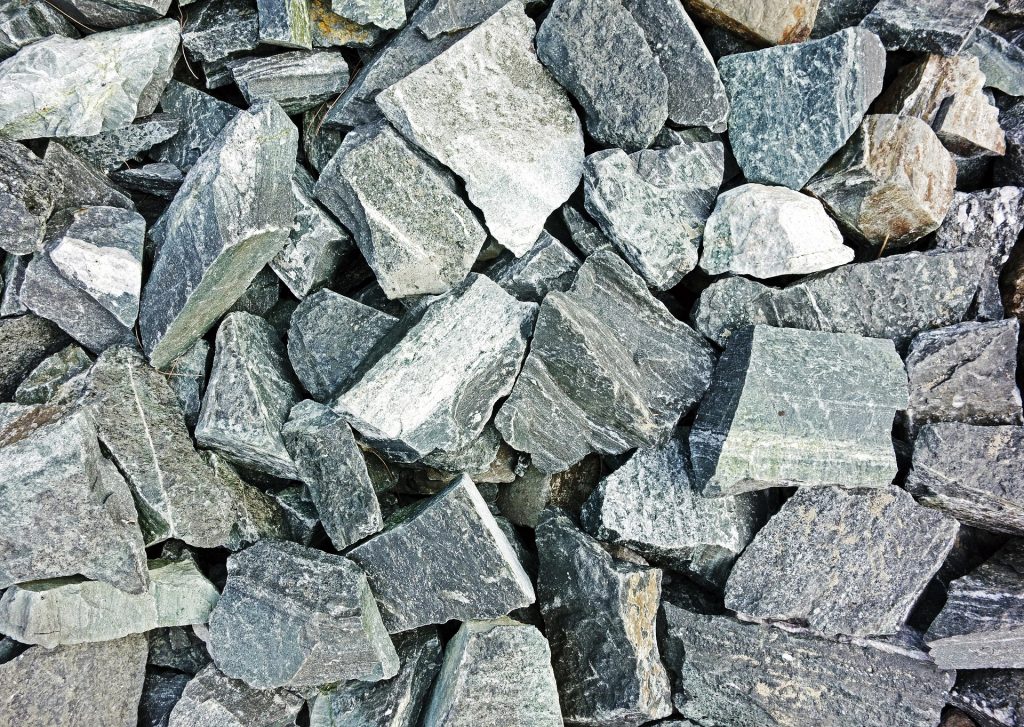
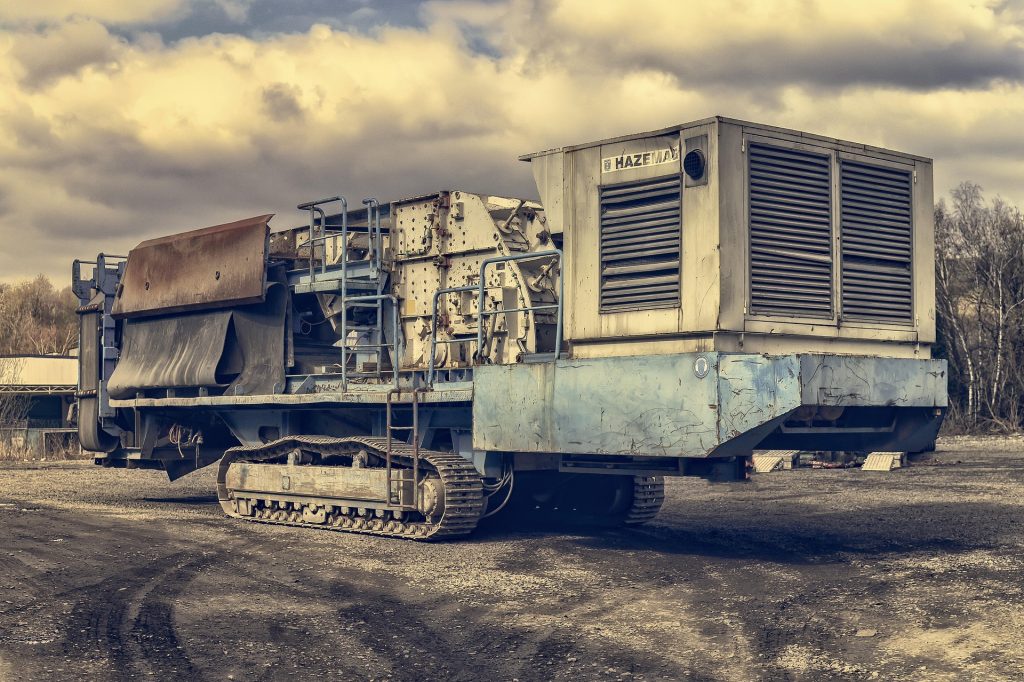
It all starts with quartz mining. Think of open-cast quarries where large chunks of quartz rock are extracted. As these are too big to transport, they are crushed and sent to a factory. It’s not exactly glamorous, but it is necessary.
This raw form, straight from the mine, is already 95 to 99 per cent pure. Sounds good, doesn’t it? But it’s nowhere near enough for computer chips and solar panels.
Melting silicon at 2000 degrees
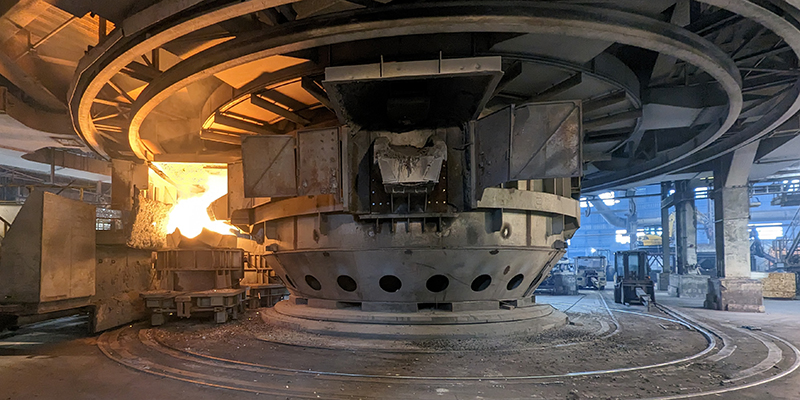
In large electric furnaces, the quartz is heated to around 2000 degrees Celsius. By way of comparison, lava from a volcano is around 1200 degrees.
During this process, carbon is added. The carbon, as it were, removes the oxygen atoms from silicon oxide, leaving behind liquid metal. This is cooled, resulting in solidified blocks: metallurgical silicon. It is still not pure enough for solar panels, but it is a major step in the right direction.
The trickiest part: ultra-purification
Metallurgical-grade silicon is 98–99% pure. That sounds pure enough, but it’s not enough for a solar panel. We need 99.9999% purity (that’s one impurity atom per million). Anything less than that disrupts the flow of electricity.
To achieve this, it is first converted into a gas: trichlorosilane. That sounds complicated, but the idea is simple — by converting the material into a gas, you can separate it much more precisely from the impurities it contains.
This separation is achieved through distillation. The gas is cooled until it becomes a liquid, and then reheated. At each stage, the impurities evaporate at a different temperature to the silicon — and this allows them to be removed step by step. This process is repeated several times, becoming slightly more precise each time.
What remains is an ultra-pure gas. This gas is then exposed to heat and hydrogen, causing it to precipitate once again as a solid — this time as polysilicon: small, shiny grains, almost perfectly pure.
Production consumes a lot of energy
Yes. This part of the process is energy-intensive; that’s no secret. That’s also why many of these factories are located in regions with cheap electricity, such as Norway (hydropower) or parts of China.
The good news is that, over its lifetime, a solar panel generates much more energy than is used in its production. The energy payback period averages between 1 and 3 years — and a panel has a lifespan of 25 to 30 years.
Pure polysilicon, ready for the next step
What remains are bags of polysilicon — small, shiny granules, ready for the next stage. These are sent to a separate factory where they are melted down and transformed into a large, compact cylinder of crystalline silicon. This is the raw material from which thin slices will later be cut, which will eventually end up as solar cells in a panel.
Exactly how that melting and crystallisation process works — and why the structure of that crystal is so important — is a topic for next time.