

Do you have solar panels, but are you finding the savings on your energy bill disappointing? That’s not always down to the amount of electricity you generate. It’s often down to timing: you use electricity at different times to when your panels are generating it. In this article, you’ll find out how generation, consumption and your energy bill are linked, and how you can make the most of your own solar power with just a few adjustments.
Four power flows that together determine your energy bill
Around your home, four different energy flows run:
Generation
What your solar panels produce
Consumption
What your household uses: lighting, appliances, electric car
Import
Electricity you draw from the grid when your consumption exceeds your generation
Export
Electricity you feed back to the grid when your generation exceeds your consumption
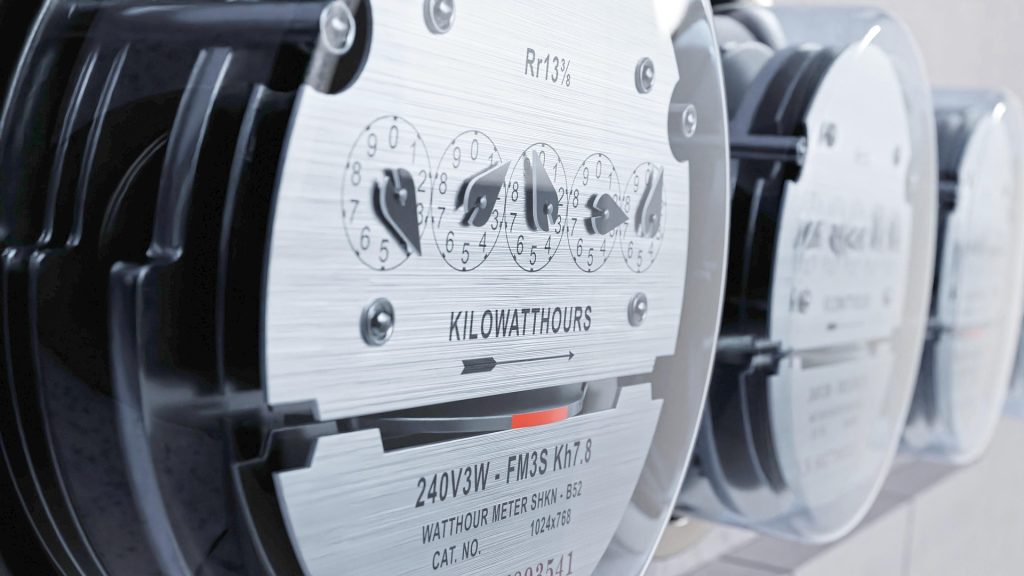
Only import and export are recorded by your smart meter. Electricity you use directly the moment your panels generate it never appears on your bill at all — that portion you save completely, without your energy supplier being involved.
The meter measures a balance, not total consumption
A common misconception: the meter records your total consumption. In reality, the meter continuously measures the difference between what you’re consuming and what your panels are generating at that moment.
- If you use more than you generate, the grid supplies the difference.
- If you use less than you generate, your home feeds the surplus back to the grid.
Your annual statement simply nets import against export to work out your net annual consumption. Note: not every energy supplier displays export the same way. Some show it as a negative figure (so you just add), others as a positive one (so you need to subtract). Check your own bill before doing the maths yourself.
Why timing matters more than total generation
A 4 kWp solar system might generate around 3,930 kWh a year, for example. That generation isn’t spread evenly across the year: in summer months, output is much higher than in winter, simply due to the number of sunlight hours.
There’s also a clear pattern within a single day. Around midday, when the sun is highest, panels often generate far more than a household uses at that moment — that surplus goes to the grid as export. As afternoon turns to evening, generation drops while consumption rises (cooking, lighting, charging). At that point, the home switches back to importing from the grid.
The result: two households with exactly the same annual generation can end up with very different energy bills, purely based on when they use electricity.
Using more of your own solar power
To make better use of your own solar power, it essentially comes down to one thing: shifting consumption to the hours your panels are actually producing. A few concrete pointers:
- Schedule big consumers around midday. Run your washing machine, tumble dryer and dishwasher when the sun is highest — roughly between 10am and 5pm — rather than in the evening. Check your own production curve for the exact window that suits your roof and orientation.
- Charge your electric car during the day. A car that only starts charging after 5:30pm misses most of the solar peak and draws electricity from the grid instead. Charging during the day — at home or, if possible, at work — means the charging session lines up with your generation.
- Use a timer or smart plug for appliances that don't need to run at a fixed time, so they start automatically during periods of high generation.
- Look at your own daily and yearly curve. Understanding exactly when your panels produce and when your household consumes is the basis for making targeted adjustments. Without that insight, "use more of your own power" stays vague advice rather than a concrete action.
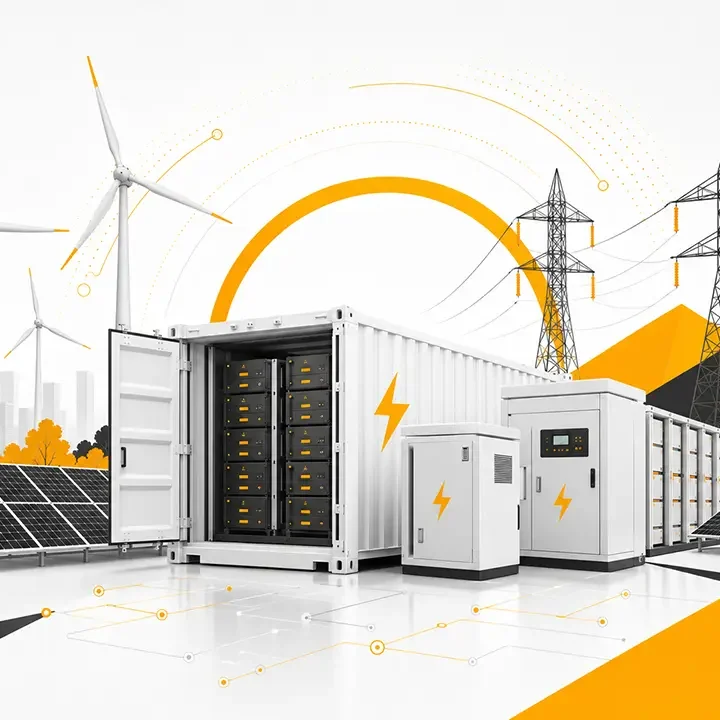
- Consider a home battery as an additional step. A battery captures the midday surplus and releases it in the evening, reducing your dependence on import and export prices. This does require investment, and the payback period depends heavily on your own usage pattern and energy prices — so it's not an automatic win for everyone, but it's especially worthwhile if you structurally export a lot during the day and import again in the evening.

Using more of your own power, relying less on the grid
The better your consumption matches your own generation, the less dependent you are on import and export prices, and the more predictable your energy bill becomes. So it’s not just about how much electricity you generate, but above all about when you use it yourself.
Want to know what your own daily and yearly pattern looks like, and where the biggest savings are for you? Get in touch — we’d be glad to help you think it through.