

Solar panels are not a new invention. The first silicon solar cells were invented more than half a century ago – for aerospace. And batteries? Weell, not a recent invention either. Your grandparents already had batteries. And yet, it feels like a recent invention.
The truth is mich simpler: the technology was already there, but the timing wasn’t.
Until now.
Solar came Just In Time
Early 2000 we were at the edge of a big energy problem. How could we supply sufficient energy to fullfill energyneeds. And of course, without burning fossil fuels.
At the same time, timing was right and something beautiful happened: Solar became economically viable, exponentialy cheaper and a growing performance.
The figures: In 2010, a solarpanel cost about €1,50 per watt, in 2020 that figure was dropped to €0,40 per watt. Almost a 75% decreas over 10 years (source: IRENA). Not by one magic moment or invention, but the combination of:
- Mass production and competition
- R&D breakthroughs (continuous development)
- Economies of scale
- Growing demand
- Higher efficiency per panel
This trend continues: every year, solar panels become cheaper again, primarily thanks to innovations in solar research and improved production processes.
Meanwhile, energy demand grew. More appliances, more heating, more electric cars. Then the pieces fell into place. Solar was cheap enough to be taken seriously – not for ideals, but for pure savings. So timing was essential here.
It used to be “I buy solar panels because it is good for the planet.” It became: “I buy solar panels because I save money with them.”
We are Hitting The Ceiling
Now what… we are hitting a theoretical silicon-ceiling.
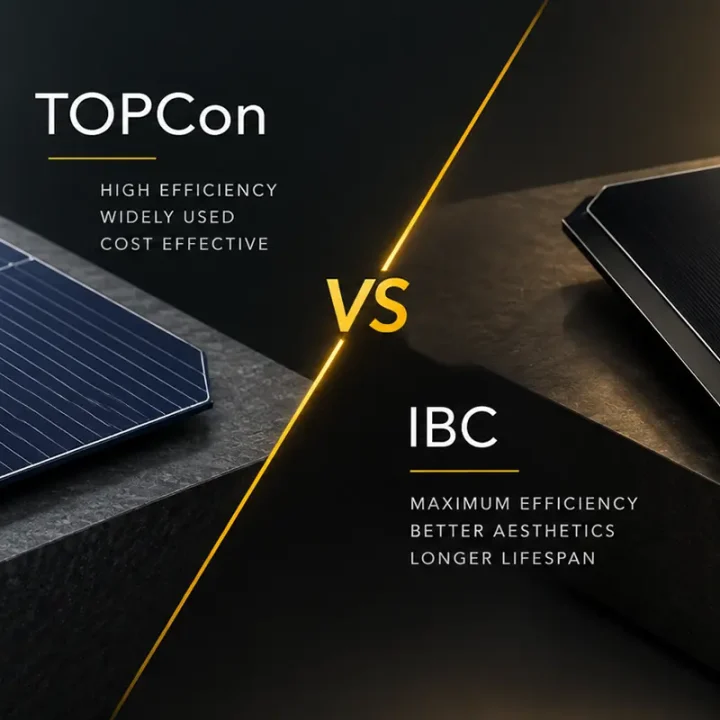
Traditional solarcells (silicon) are now so efficient that the laws of physics say: “Thus far and no further.” It’s not the case that producers aren’t trying hard enough, but the maximum efficiency bottlenecks at 22-25% in real life conditions, while the theoretical maximum for a single-junction silicon cell is around 29–33%. In other words, we’re approaching the practical limits of what silicon can achieve.
In the meanwhile more:
- Electricity consumption (more electric cars, more heat pumps, more servers)
- Number of houses with solar panels (thus more variation in production)
- Request for flexibility (we want to be able to use solar power at night)
And exactly now – at this moment when we start feeling the problem – batteries are on the same point as solar was 30 years ago. Ready to take the next step

Timing: Now the Batteries Jump In
Battery technology is old. Really old. The first rechargeable battery dates back to 1859. But, like solar power, batteries have only just had their moment in the spotlight.
LiFePO4, lithium-ion and solid-state batteries – they aren’t exactly new. They are now affordable and efficient enough to be worth considering for your home.
- Battery costs have dropped by 40% in 2024 and are now around $165/kWh (core equipment)
- Efficiency is increasing (now around 90-95%)
- Lengthens lifespan (10+ years with minimal capacity loss)
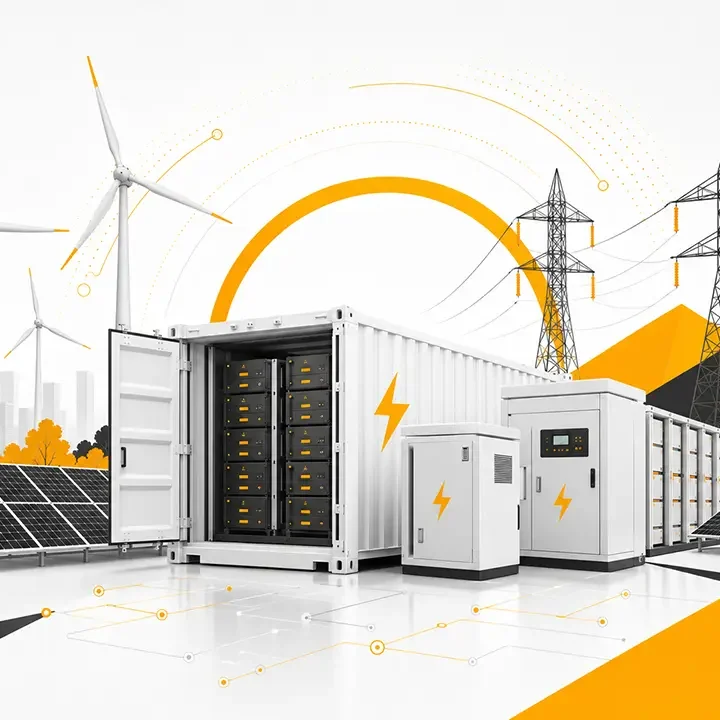
And so: the moment solar power reaches its peak, batteries step in as a “buffer.” They store the solar power generated during the day so you can use it at night. They don’t just make solar power clean—they make it flexible.
This is the same pattern we saw with solar power thirty years ago. The same dance of timing.
The next stage: Perovskiet
But wait, there’s another twist.
Whilst we are currently satisfied with batteries, something is brewing in R&D. Perovskite – a different type of solar cell, far more efficient than silicon (theoretically up to 33%), easier to produce and cheaper – is at the same stage of breakthrough that silicon solar was at in 2005–2010.
Research is currently underway. AI is helping researchers achieve breakthroughs more quickly. The first commercial applications are on the horizon. Read more about the Helios solar AI research.
Gok: In ten years’ time, we’ll be telling our children: “Your grandmother had silicon panels. They were good enough, but perovskite is actually the next generation.”
And it is precisely at that moment – when batteries have served their purpose and we are able to generate more solar power – that perovskite panels will become affordable enough to be installed on a massive scale.
Now that’s what I call good timing.
The Pattern
So what did we learn about timing? Solar seized the moment:
- Technology was mature enough
- Economy was dedicated to it
- Energy demand screamed for it
Batteries follow exactly the same pattern. Right now. At this very moment.
And perovskite is waiting in the wings, ready to join the dance.
It’s not that science is letting us down. It’s that science, the economy and our needs are finally all aligning.
For you today
This means:
Solar panels: Still a smart investment. You generate clean electricity and save money.
Batteries: Currently at a turning point. They’ll be cheaper in a few years, but are already cost-effective today if you want to use a lot of the electricity you generate yourself.
Timing: Don’t wait for perovskite. The interest on your money is fixed now – will it be much cheaper later? Weigh that up against the savings you’re making now.
In short: timing is everything. And the right time to make your energy decision? It’s not about waiting. It’s now.