

Why the appearance of your solar roof is just as important as the energy it generates
When homeowners consider solar panels, their focus is almost always on efficiency: how many watts peak, how much they’ll save, and how long it will take to recoup the cost. What is often overlooked is the aesthetic impact — how solar panels change the appearance of a house, a street and even an entire neighbourhood. And that impact of roof design is greater than many people realise.
A roof isn’t just a technical component; it’s the face of a building
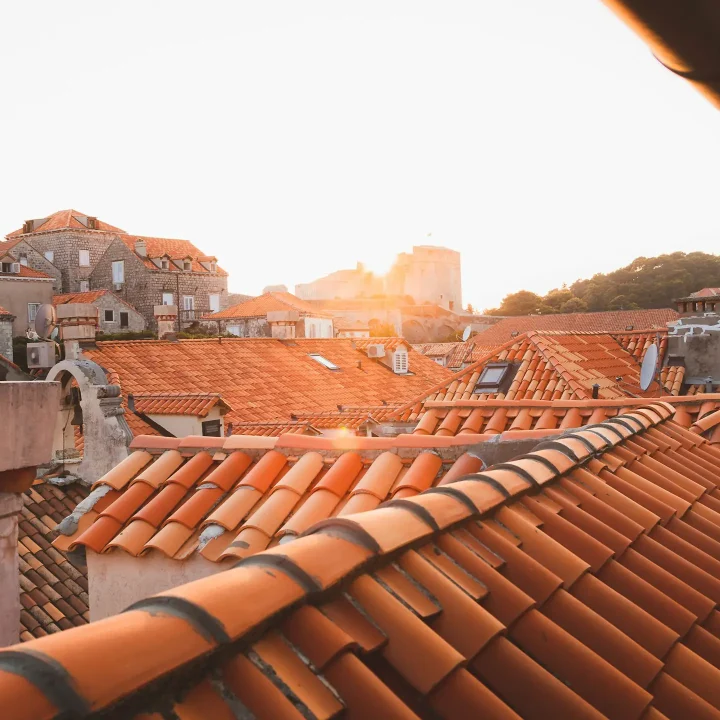
The roof is the most visible part of a house. Whilst a façade is often half-hidden behind trees, fences or parked cars, a roof is visible from afar — to neighbours, passers-by and potential buyers. Traditional solar panels, with their dark frames and striking rectangular pattern, stand out visually from the rest of the roof. On a thatched roof, old roof tiles or in a listed townscape, this quickly creates a contrast that is perceived as jarring — however sustainable the intention may be.
Depreciation versus preservation of value
Research into property values consistently shows that solar panels have a positive impact on a property’s sale price, but their aesthetic design plays a role in this that is often underestimated. A conspicuous, cluttered-looking array of panels can reduce a property’s visual appeal, even if its energy performance is excellent. Estate agents are increasingly finding that buyers ask questions about how the panels ‘look’ on the roof, not just about the energy yield. Aesthetics and roofdesign are therefore not a minor consideration, but a factor that directly influences a property’s valuation.
The prosperity and identity of a neighbourhood
Many Dutch local authorities have aesthetic requirements in place, specifically to preserve the streetscape and the character of older neighbourhoods, listed village centres or listed buildings. Traditional solar panels are regularly rejected in such areas — not because of the technology, but because of their appearance. This presents homeowners with a difficult choice: making their homes more sustainable, or preserving the character of their home and neighbourhood.
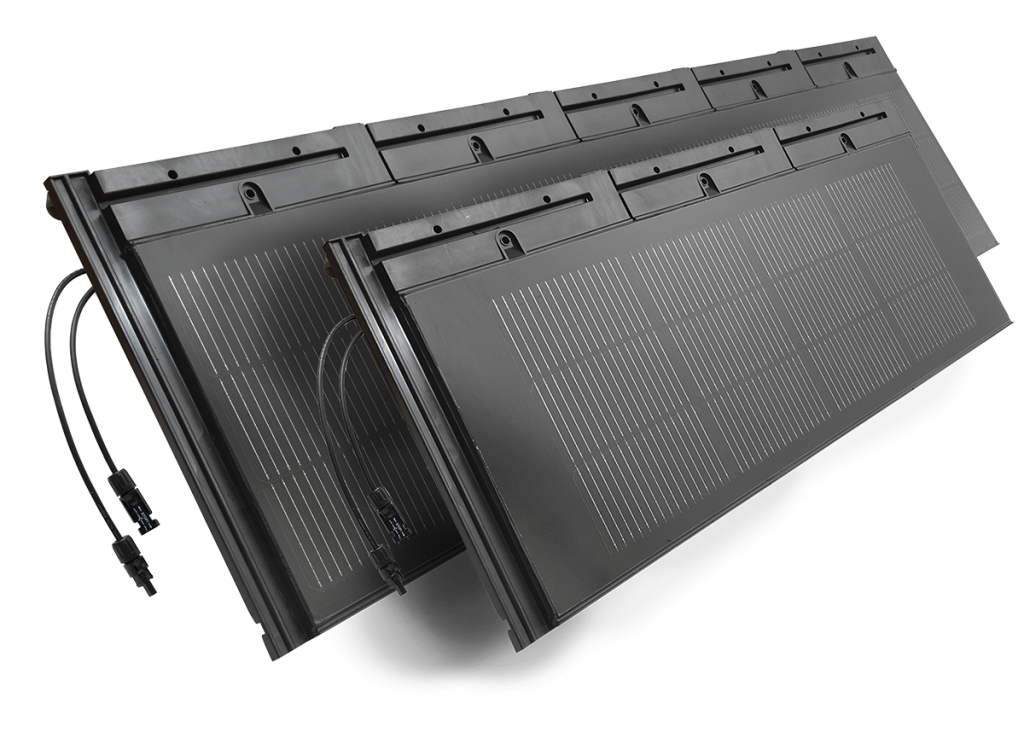
Invisible solar roof tiles resolve this dilemma. As their shape, colour and texture match those of traditional roof tiles — whether they have a classic terracotta appearance or a sleek, modern slate-blue look — the distinction between ‘roof’ and ‘panel’ disappears entirely. From the street, it is no longer apparent that the roof is generating solar energy.

Aesthetics as the key to wider acceptance
Ultimately, the aesthetic aspect is also a social factor. As more homes are fitted with aesthetically integrated solar energy systems, the streetscape becomes more uniform. Neighbours who are hesitant because of the appearance of their home are more likely to be persuaded when they see that making their home more sustainable does not have to come at the expense of the charm of their home or neighbourhood.
A roof is therefore more than just a technical matter
Roof design is not just a technical or financial consideration — it is an aesthetic one. A house is more than just a power station; it is a home, with a character that people want to preserve. By putting that principle at the heart of the process, the switch to solar energy becomes not a compromise, but an improvement: both functional and attractive.